Why Real Estate Buyers Need Termite Control Services
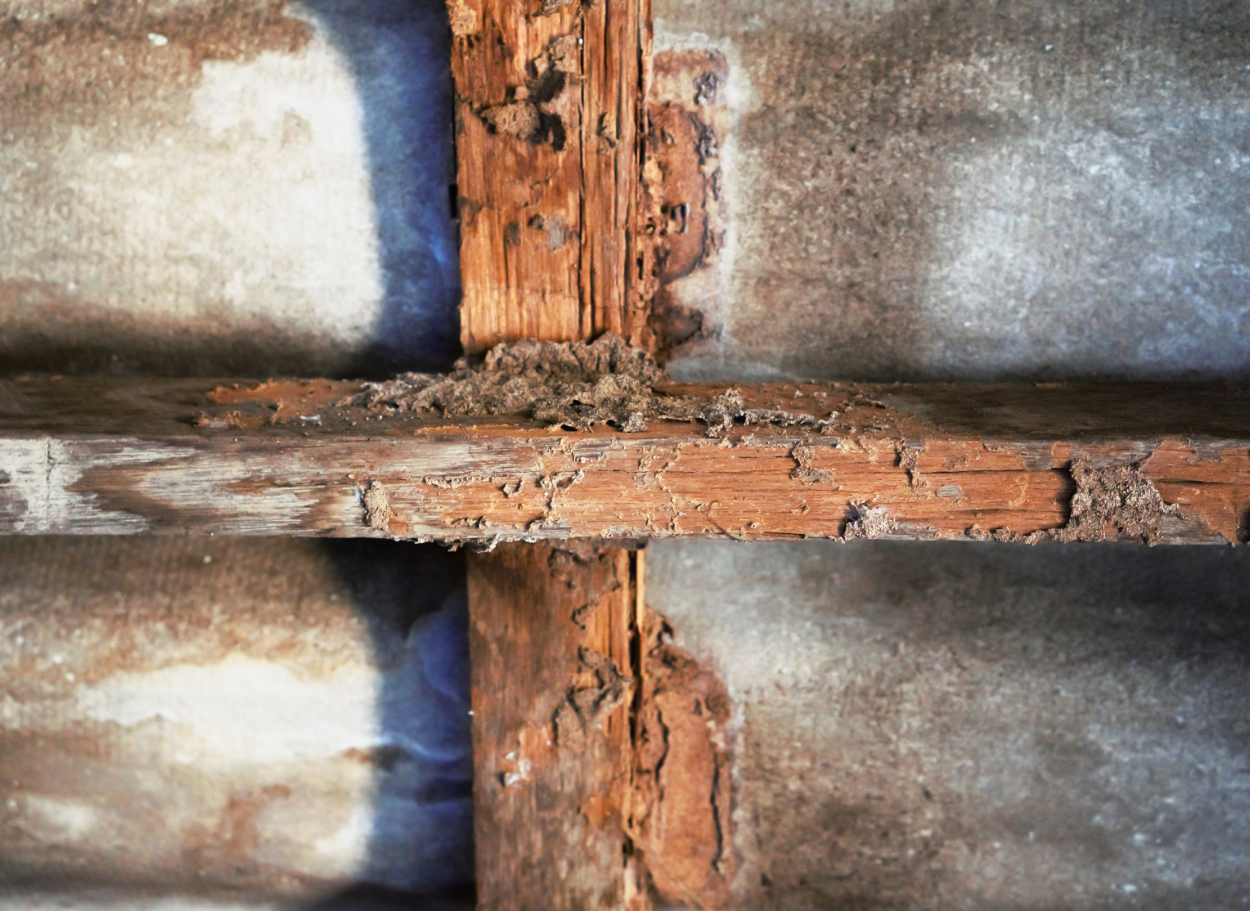
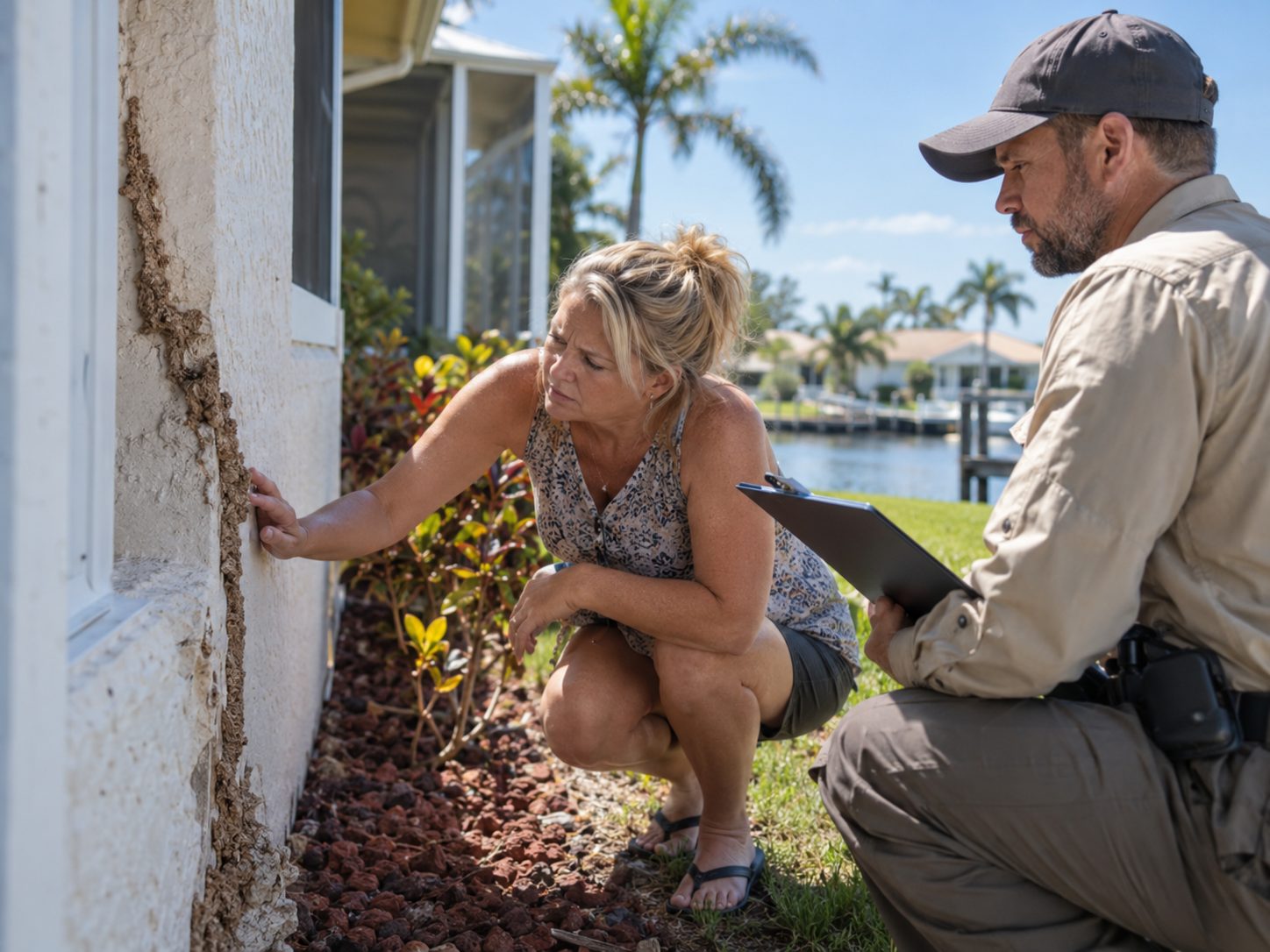
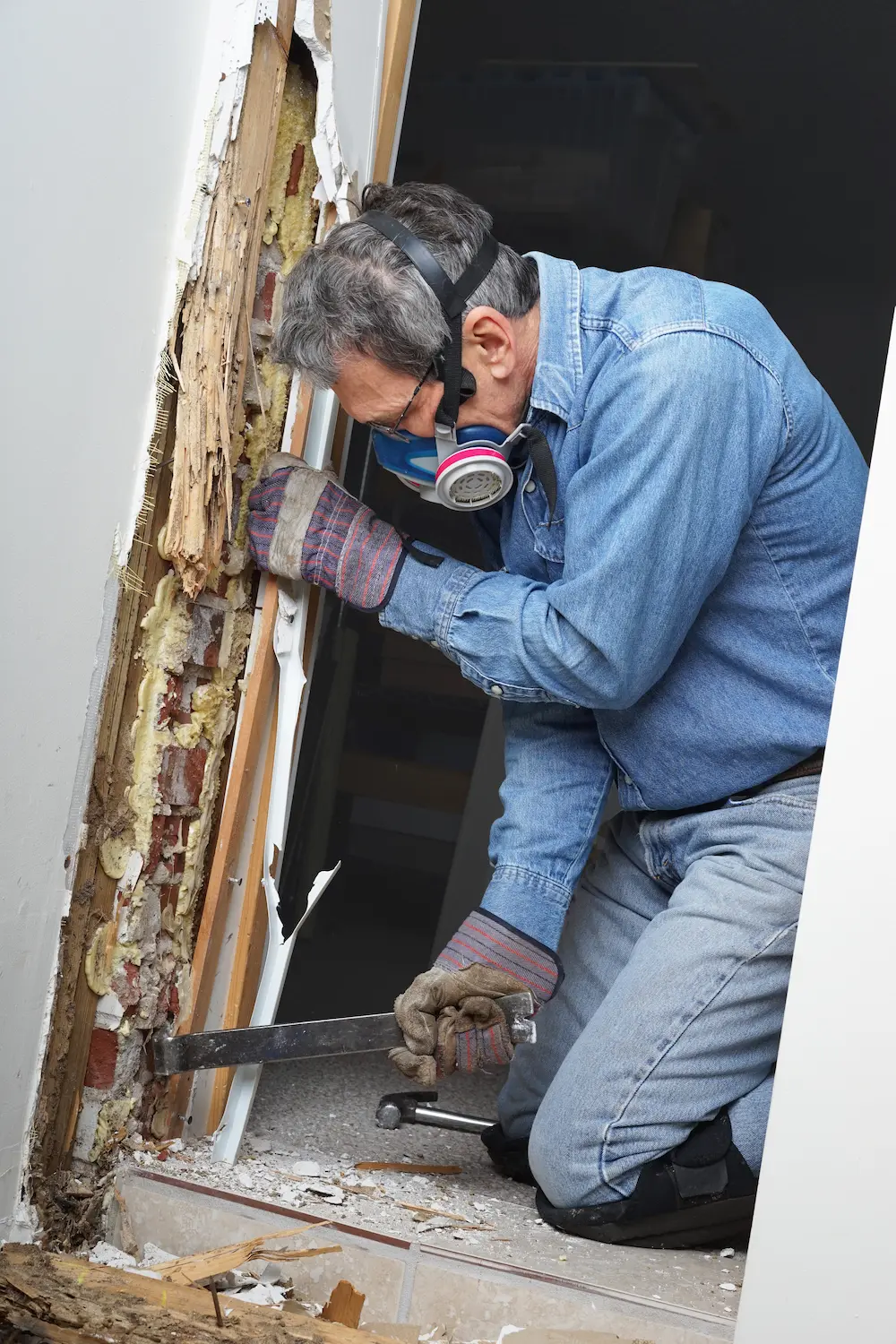
Buying real estate is usually framed as a financial decision, but the smartest buyers treat it as a risk management exercise. Square footage, school districts, roof age, and resale value all matter. So does what is happening inside the walls, under the floors, and around the foundation, where termites can quietly do years of damage before anyone notices a problem.
That is why termite control services deserve a place in the buying process, not as an afterthought, but as part of due diligence. Buyers who skip that step often assume a general home inspection will catch anything serious. Sometimes it does. Often it does not. Termite activity can be subtle, hidden, and expensive, especially in homes with crawl spaces, older wood framing, wood-to-soil contact, or landscaping that traps moisture near the structure.
The issue is not simply whether termites are present on the day of inspection. It is whether the property shows signs of past infestation, active colonies nearby, conditions that invite future damage, or incomplete treatment history. A buyer who understands that distinction is in a much stronger negotiating position than one who only asks, “Do you see termites?”
The hidden cost of a quiet infestation
Termites do not usually announce themselves with dramatic visual clues. They work behind drywall, beneath flooring, inside sill plates, and around structural members that most buyers never see. By the time bubbling paint, soft baseboards, or sagging trim becomes obvious, the insects may have been feeding for months or even years.
In practical terms, that means a house can look clean, freshly painted, and well maintained while carrying hidden damage. Cosmetic updates can mask underlying trouble. I have seen buyers walk through a property and focus on quartz countertops and new light fixtures while ignoring the more important question: why was a section of wall recently repaired, and was the root cause ever addressed?
Repair costs vary widely because termite damage can range from minor trim replacement to structural work involving joists, subfloors, studs, support posts, and roof framing. A localized repair may cost a few hundred dollars. Structural remediation can move into the thousands very quickly, especially if contractors need to open walls, shore up framing, or correct moisture problems that helped the infestation take hold in the first place.
This matters even more in competitive markets, where buyers are tempted to waive contingencies or shorten inspection periods. That pressure can make termite risk feel like a secondary concern. It is not. A buyer who rushes past termite due diligence can inherit a problem that is far more expensive than a rate buydown or a few thousand dollars in closing credits.
Why a general home inspection is not enough
Many buyers assume the home inspector will cover pests in detail. A good inspector will certainly note visible evidence of wood-destroying organisms, moisture issues, and suspicious damage. But a standard home inspection is not the same thing as a targeted termite evaluation by a specialist.
Home inspectors are trained to assess a broad range of systems and components. They are not always licensed pest professionals, and they often cannot move insulation, probe hidden wood, or perform the kind of focused inspection that termite control services provide. Their report may recommend further evaluation if they see signs such as mud tubes, damaged wood, discarded wings, or conditions conducive to infestation. That referral is the point where many buyers should lean in, not move on.
Termite professionals approach the property differently. They know where subterranean termites usually enter, how moisture patterns affect activity, how previous treatments appear, and how to distinguish old, inactive damage from active infestation. They also understand regional behavior. In some areas, subterranean termites are the main threat. In others, drywood termites are more common. The inspection strategy changes with the species and the building type.
The result is not just a yes-or-no answer. It is a more useful picture of risk.
What termite control services actually provide a buyer
When buyers hear the phrase Termite Control Services, they often think only of spraying or chemical treatment. The reality is broader. For a buyer, these services can include inspection, risk assessment, treatment recommendations, damage documentation, monitoring plans, and in some cases transferable warranties from prior service providers.
That scope matters because the buyer’s needs are different from the seller’s. A seller may want the fastest path to closing. A buyer needs clarity on four points: whether termites are active, whether damage exists, whether treatment was done properly, and whether the property is likely to remain vulnerable after purchase.
A strong termite inspection can help answer questions such as these:
- Are there active signs of infestation, such as live termites, fresh mud tubes, or newly damaged wood?
- Is visible damage old and inactive, or does it suggest ongoing feeding?
- Were past treatments documented, and are any warranties transferable?
- Do site conditions, such as poor drainage or wood debris in crawl spaces, increase future risk?
- Should the buyer request treatment, repairs, credits, or a specialist contractor review before closing?
That kind of information changes negotiations. It can also shape the buyer’s ownership plan. If a property is in a high-risk area, ongoing monitoring may be more important than a one-time treatment.
The negotiation leverage buyers often miss
A termite report is not just a maintenance tool. It is a leverage tool.
When termite issues are identified before closing, buyers have options. Depending on the contract, local custom, and severity of findings, they may ask the seller to pay for treatment, repair documented damage, provide a credit, reduce the purchase price, or extend escrow so further evaluation can take place. Without a specialist report, these conversations are weaker and more subjective. With one, they become grounded in evidence.
That does not mean every termite finding should derail a transaction. Not all termite issues are deal-breakers. In many cases, treatment is straightforward and damage is limited. The value of termite control services lies in separating manageable problems from serious ones.
For example, a detached fence with termite damage may be annoying but not critical. Termite activity in a crawl space affecting sill plates and floor joists is a different matter. So is damage concealed by recent patchwork, especially if no repair records exist. Buyers need enough information to judge the scale of the problem, the likely repair path, and the chance of recurrence.
I have seen deals where a $300 to $500 pest inspection uncovered enough hidden concern to justify a five-figure renegotiation. I have also seen buyers spend money on a specialist only to learn the damage was old, repaired, and covered by a transferable warranty, which gave them confidence to move forward. Both outcomes are useful. Paying for certainty is often cheaper than paying for guesswork.
Termites, moisture, and the bigger condition story
Termites rarely exist in isolation. Their presence often points to broader conditions that matter to any property owner. Excess moisture, poor grading, clogged gutters, leaking hose bibs, plumbing drips, inadequate crawl space ventilation, and wood stored against the home can all make a structure more inviting.
That is another reason buyers benefit from termite control services. A qualified termite professional does not only look for insects. They look for the environmental conditions that support them. In many cases, the most important recommendation is not the treatment itself, but the correction of moisture and contact issues that would otherwise keep the property vulnerable.
This is especially relevant in older homes. A house built decades ago may have charm and solid bones, but it may also have details that modern pest management tries to avoid, such as buried siding, untreated wood near grade, or additions built over damp crawl spaces. Buyers who love older properties should not be scared away from them. They should simply be more disciplined about inspection and prevention.
Newer construction is not immune either. Fresh framing lumber does not protect a home from subterranean termite pressure if the soil conditions, landscaping, and foundation penetrations give colonies an entry point. Buyers sometimes assume that age equals risk and newness equals safety. That is too simplistic.
Financing, insurance, and closing complications
Some buyers do not think seriously about termites until a lender, underwriter, or closing attorney raises the issue. Depending on the loan product and the region, a wood-destroying organism report may be required. Even where it is not formally required, evidence of significant infestation or structural damage can complicate financing.
Lenders care about collateral. If a property has serious termite-related deterioration, it can affect habitability and value. Appraisers may also flag visible damage or deferred maintenance connected to pests. That can trigger additional review or repair requirements before the loan can close.
Insurance is another area where Termite Control Services buyers need realistic expectations. Homeowners insurance generally does not function as a safety net for termite damage in the way people imagine. Because termite damage is usually considered preventable maintenance rather than sudden accidental loss, standard policies often do not cover it. Buyers who assume they can “deal with it later” through insurance may be disappointed.
This puts even more weight on pre-purchase assessment. Once you own the property, the problem becomes yours, whether or not the signs were obvious during the showing.
The importance of treatment history and transferable warranties
Some of the most useful information in a transaction comes from old service records. If the property has been under a termite bond, annual monitoring plan, baiting system, or barrier treatment, those records can reveal a lot. They can show when activity was found, where it was treated, whether follow-up inspections were done, and whether the service agreement can transfer to the new owner.
That transfer can have real value. It may preserve retreatment rights, monitoring continuity, and documentation that supports future resale. But buyers should never assume a warranty is comprehensive. Terms vary. Some cover retreatment only. Some include limited repair coverage. Some expire at transfer or Termite Control Services require a fee and uninterrupted renewal.
A careful buyer reads those details. Better yet, they ask the pest provider directly what remains in force after closing.
One practical issue comes up often: houses that were treated years ago and have had no recent inspection. Sellers may honestly believe the home is “covered,” but if service lapsed, the buyer should treat the property as unverified. Termite control services can confirm whether systems are still active and whether new treatment is advisable.
What buyers should ask before the inspection period ends
The best time to raise termite questions is early enough to act on the answers. Waiting until the last day of the inspection contingency creates pressure and limits options. Buyers do better when they treat termite review as a standard part of the transaction, especially in termite-prone regions.
A concise set of questions can keep the process focused:
- Has the property had any prior termite treatment, and are records available?
- Is there a current termite bond, baiting system, or annual inspection plan?
- Have any repairs been made for wood damage, and who performed them?
- Are there crawl spaces, additions, porches, or exterior wood elements that deserve closer scrutiny?
- If evidence is found, can a contractor assess structural significance before closing?
These questions sound basic, but they often reveal whether the seller has maintained the property carefully or is relying on vague assurances.
Edge cases buyers should not ignore
Not every transaction fits the same pattern. Some scenarios deserve extra caution because termite risk is harder to evaluate at a glance.
Homes with heavy vegetation close to the structure can hide mud tubes and trap moisture. Flipped properties warrant careful review because cosmetic renovation can obscure prior damage, intentionally or not. Vacant homes can also be tricky, since deferred maintenance and unchecked moisture issues may have gone unnoticed for months. Detached garages, sheds, and fences matter too, because active colonies on the lot do not always respect the boundary between “main house” and “other structure.”
Then there are multifamily and attached properties. Buyers of townhomes and condos sometimes assume the association handles all pest concerns. Sometimes it does, at least for common elements. Sometimes it does not. The governing documents may split responsibility in ways that are not obvious. A buyer should know whether the unit framing, subfloor, exterior wall cavities, or patio structures fall under the association or the owner. That affects both inspection planning and future cost exposure.
Why preventive service can make sense immediately after purchase
Even if no active infestation is found during escrow, some buyers benefit from establishing service right after closing. That is particularly true in high-risk regions, homes with crawl spaces, or properties with landscaping and drainage patterns that are difficult to change quickly.
Preventive termite control is not a glamorous expense. It does not photograph well, and it does not impress guests. But from a property stewardship standpoint, it is often money well spent. Ongoing inspections can catch activity early, before damage expands. Bait stations or barrier treatments may reduce the chance of a major problem. Just as important, the homeowner starts building a documented maintenance history, which can help later during resale.
There is judgment involved here. A slab-on-grade suburban house with excellent drainage, no history, and low local pressure may need a different approach than a pier-and-beam home with mature trees and chronic moisture near the foundation. Good termite control services should reflect that difference rather than pushing the same package on every customer.
The real value is not the treatment, it is the clarity
Buyers often focus on the cost of an inspection or treatment proposal because it is one of many transaction expenses competing for attention. That is understandable. But the true value of termite control services is not just chemical application or bait placement. It is the clarity that lets a buyer make a sound decision.
Sometimes that clarity confirms the house is in good shape. Sometimes it reveals a manageable issue and a reasonable fix. Sometimes it exposes deeper problems that justify renegotiation or walking away. All three outcomes protect the buyer.
Real estate purchases are full of uncertainty. You can never eliminate all of it. But hidden termite damage is one area where a relatively small investment in specialist review can sharply reduce the odds of an ugly surprise. For buyers, that is not paranoia. It is disciplined due diligence.
A house is more than its finishes and curb appeal. It is a physical structure that has to carry weight, resist moisture, and perform over time. Termites attack that structure quietly. Buyers who bring termite control services into the process are not being overly cautious. They are doing what experienced property owners, careful investors, and seasoned agents eventually learn to do: protect the asset before the asset becomes their responsibility.
Maximum Pest Control
836 NE 7th Terrace Suite #5
Cape Coral, FL 33909
+1 239-772-7363
FAQ About Termite Control Services
What are two signs of a termite infestation?
Mud tubes along a foundation and piles of shed wings near doors or windows are two signs to investigate. Mud tubes are associated with subterranean termites. A licensed inspector can identify the insect and assess whether there is active infestation.
How many years does a termite treatment last?
There is no single timeline for all treatments. The method, site conditions, and maintenance affect how long protection lasts. Bait systems rely on monitoring and service. Ask the provider for the recommended inspection schedule and the terms of any coverage.
Is Termite Treatment Expensive in Cape Coral?
Cost depends on the termite species, the size and construction of the property, the extent of activity, and the treatment method. Request a written estimate after inspection and ask whether monitoring, follow-up visits, and renewals are included.