What Home Sellers Should Know About Termite Control Services
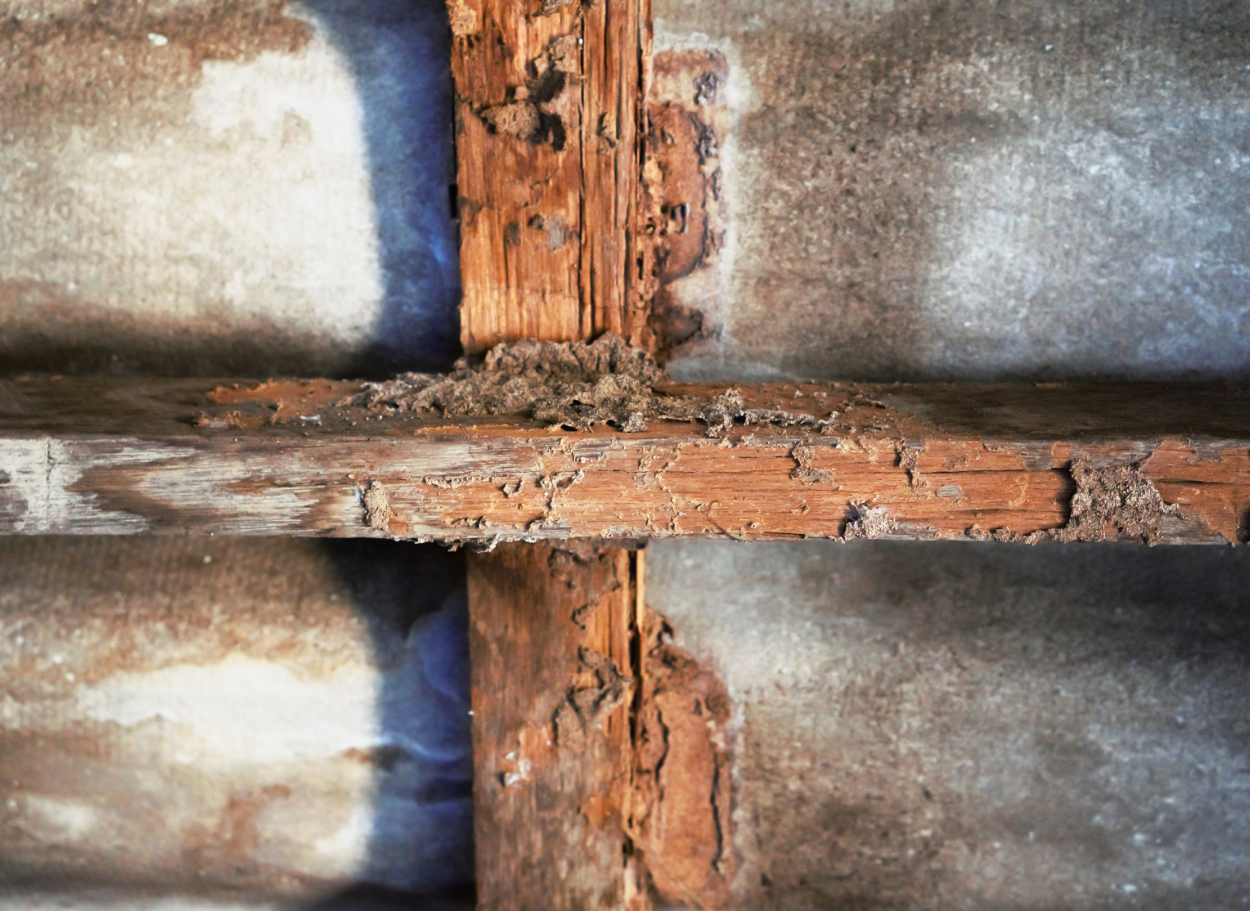
Selling a house tends to make ordinary details feel urgent. A sticking window becomes a negotiation point. A water stain turns into a line item. Termites sit in a different category altogether because they raise questions that cut deeper than cosmetics. Buyers do not just wonder whether pests are present. They wonder what damage may be hidden behind trim, beneath floors, or inside structural framing. That is why home sellers need a clear understanding of Termite Control Services before the sign goes in the yard, not after the first nervous call from a buyer’s inspector.
Termites are not rare, and that is worth saying plainly. In many markets, especially warmer or humid regions, a past termite treatment on a disclosure form is not automatically a deal breaker. What causes trouble is uncertainty. Sellers run into problems when evidence of activity appears late, when treatment records are missing, or when someone tries to minimize damage that a buyer’s inspector will likely notice anyway. The goal is not to create a perfect property history. The goal is to present a house that is honestly documented, properly treated if needed, and priced with sound judgment.
Why termite issues carry so much weight in a sale
A buyer can usually estimate the cost of replacing carpet or repainting a bedroom. Termite issues are harder because the cost is not always visible up front. An active infestation may require treatment, damaged wood repair, moisture correction, and sometimes follow-up inspections. A house with severe long-term activity might need joist work, subfloor replacement, or exterior trim reconstruction. That uncertainty makes buyers cautious and lenders cautious with them.
In practical terms, termite concerns can affect a sale in three ways. First, they can trigger negotiation over treatment and repairs. Second, they can delay closing while inspections are scheduled and reports are reviewed. Third, if damage appears extensive or documentation is weak, they can cause a buyer to walk. Sellers often focus on the immediate cost of treatment, but the larger cost is usually time. A home that falls out of contract because of pest concerns may come back to market with a stigma that is hard to erase.
This is where professional Termite Control Services matter. A credible company does more than spray around the foundation. It inspects, identifies the species involved, explains whether activity is current or historic, recommends treatment appropriate to the construction and site conditions, and documents the work in a way that helps a transaction move forward.
Active termites versus old evidence
One of the most common points of confusion for sellers is the difference between active infestation and signs of previous infestation. Buyers hear the word “termites” and often assume the worst, but the distinction matters.
Active termites usually leave current evidence. Depending on the species, that might mean live insects, fresh mud tubes, new frass, or recently damaged wood that still looks clean and sharp inside. Old evidence, by contrast, might include repaired areas, abandoned tubes, or wood damage that occurred years earlier and was already treated. A good inspector should be able to explain the difference, though sometimes supplemental evaluation by a contractor or structural specialist is needed to understand the full scope of old damage.
Sellers sometimes make the mistake of seeing old damage and assuming no one needs to know about it because the issue is “gone.” That is rarely wise. If visible damage exists, a buyer’s inspector is likely to note it. When the seller discloses prior treatment and can produce records showing when the work was done and whether a warranty is in place, the conversation stays grounded. Without records, even old, inactive evidence tends to look unresolved.
The timing question: before listing or after an offer?
Most sellers are better off addressing termite concerns before listing, especially if they already suspect a problem. The reason is simple. Once a house is under contract, the calendar tightens and leverage shifts. A pre-listing inspection gives the seller time to gather facts, choose a treatment provider carefully, and complete repairs without a buyer looming over every decision.
That does not mean every seller needs to order a termite inspection the minute they think about moving. In some markets, standard home inspections and lender requirements make a separate termite report more likely than in others. The age of the house, local climate, construction type, and any history of prior infestation all matter. If the home has a crawl space, chronic moisture, old wood-to-soil contact, or signs such as blistered trim or mud shelter tubes, a pre-listing inspection is usually money well spent.
There is also a strategic angle. Sellers who wait for the buyer to discover a problem usually lose control over both the timeline and the narrative. Sellers who investigate first can decide whether to treat proactively, price with the issue in mind, or disclose and market the property with a repair plan already in hand. Buyers respond better to known conditions than to surprises.
What Termite Control Services typically include
Many homeowners use the term “termite treatment” as if it describes one thing. In practice, Termite Control Services vary quite a bit. The right approach depends on the termite species, construction details, local regulations, and the level of risk around the property.
Subterranean termites, which are common in many regions, often require soil-applied treatments, bait systems, or a combination of both. Drywood termites may call for localized wood treatment or, in more serious cases, whole-structure fumigation. An experienced provider should explain not just what they recommend, but why that method fits the property.
A professional service visit often includes the following:
- Inspection of accessible interior and exterior areas for signs of activity, damage, and conditions conducive to infestation.
- Identification of the likely termite type, because treatment for subterranean termites is different from treatment for drywood termites.
- A written report with treatment recommendations, areas of concern, and notes on whether evidence appears active or historical.
- Discussion of warranty terms, follow-up intervals, and what is or is not covered.
- If treatment is performed, documentation of the product or system used and the date of service.
That written paper trail matters more than many sellers realize. Buyers, agents, and in some cases lenders want to see specifics. “We had it handled a few years ago” is not nearly as useful as an invoice, diagram, inspection report, or transferable service agreement.
Choosing a provider without creating a bigger problem
Not all pest control companies approach termite work with the same depth. Some are excellent on general pest service but less strong on detailed real estate documentation. Others may be capable in treatment but vague in how they explain findings. When a house sale is involved, clarity counts almost as much as technical competence.
A good termite professional communicates in plain language. They should be willing to separate active findings from previous damage, note inaccessible areas, and describe limitations. If repairs appear necessary, they should say so rather than implying that chemical treatment fixes structural deterioration. Termite treatment stops or prevents infestation. It does not restore compromised wood.
Price deserves context too. Sellers sometimes chase the lowest quote because they assume termite work is a commodity. It is not. A bargain treatment with weak documentation can become expensive when the buyer requests a second inspection and a more established company produces a broader scope of concern. On the other hand, the highest quote is not automatically the best one. The provider should be licensed where required, familiar with local transaction standards, and able to answer questions about warranties and retreatment terms.
If the company mentions a transferable warranty, ask exactly how transfer works, whether there is a fee, and whether annual renewal is required. Some buyers place real value on inheriting active coverage, especially in regions where termite risk is widely understood.
Repairs are a separate decision, and that distinction matters
A treatment company may identify damaged fascia, sill plates, baseboards, or subfloor areas, but the actual repair often falls to a contractor, carpenter, or structural specialist. Sellers sometimes expect the pest company to handle everything end to end. Sometimes they can coordinate those services, but often they cannot. Knowing who is responsible for treatment versus repair prevents confusion.
Light cosmetic damage may be straightforward. More serious structural issues need careful evaluation. I have seen sellers rush into replacing visibly damaged trim while ignoring the moisture source that made the infestation attractive in the first place. A buyer’s inspector then finds elevated moisture and flags the repair as incomplete. The seller ends up paying twice.
This is where judgment matters. Not every mark in wood justifies invasive work before listing. But if damage affects framing, support components, or broad sections of exterior wood, a proper repair estimate is usually worth obtaining. The aim is not over-renovation. The aim is to avoid the far costlier problem of being unable to answer reasonable buyer questions.
Moisture is often the real accomplice
Termites and moisture problems often travel together. Poor drainage, leaking hose bibs, clogged gutters, earth touching siding, dense mulch against the foundation, and damp crawl spaces all create favorable conditions. A termite treatment may address the insects, but if those conditions remain, the property still reads as high risk.
This is why strong Termite Control Services do not stop at identifying bugs. The better companies note conducive conditions and recommend corrective steps. Those steps may sound mundane, but they influence both prevention and buyer confidence. Improving crawl space ventilation, redirecting downspouts, trimming soil contact, and fixing chronic leaks are not glamorous upgrades, yet they can make the difference between a clean inspection story and maximumpests.com Termite Control Services an open-ended concern.
For sellers, this creates a practical question: how much should be corrected before listing? Usually the best answer is to fix the items that materially affect pest risk and inspection optics. Regrading a small soil area that touches siding is sensible. Tearing apart landscaping for a minor theoretical concern may not be. A local expert who sees the property in person is far more useful than generic advice here.
Disclosure is not optional, and understatement backfires
Real estate disclosure rules vary by state and transaction type, so sellers need advice that fits their jurisdiction. But the broad principle is consistent. If you know about termite infestation, treatment history, or related damage, disclose it as required. Attempting to “let the inspector find it” is a poor strategy. Even when it avoids immediate conflict, it invites distrust once the issue surfaces.
The smarter approach is direct and documented. State what occurred, when it was treated if known, and what records are available. If repairs were completed, provide those invoices too. If damage remains visible but has been evaluated as inactive, say that and attach the relevant report. Buyers may still negotiate, but the tone of the conversation tends to be calmer when the seller is not perceived as evasive.
There is also a legal and ethical reality here. Pest history is one of those issues that can feel minor to a long-time homeowner but major to a first-time buyer. Clear disclosure protects both sides from misunderstanding later.
How termite findings affect price and negotiation
Sellers often want a universal rule, something like “active termites reduce value by X percent.” Real markets do not work that neatly. The impact depends on severity, local norms, inventory levels, and whether treatment and repairs are already complete.
A small area of active subterranean termite activity, professionally treated before listing with documentation and no major structural damage, may have limited effect on price in a market where such issues are common. The same finding in a competitive buyer’s market, combined with visible unrepaired damage and no transferable warranty, can widen into a larger price concession. Uncertainty compounds cost.
There is a pattern that shows up repeatedly. Buyers usually react less strongly to a completed, documented issue than to an unresolved one. If a seller spends a moderate amount up front to inspect, treat, and correct obvious risk factors, they often save money in negotiations because the buyer cannot credibly assume the worst. The report may still prompt a request, but it is a narrower request.
When damage is extensive, pricing strategy becomes more delicate. Some sellers choose to repair fully and market the home as remediated. Others disclose the condition, gather estimates, and price accordingly. The right choice depends on cash flow, timeline, and the likely buyer pool. Investors and experienced buyers will sometimes accept a known termite history more readily than owner-occupants who want a turn-key home.
The inspection report is not the end of the story
Many sellers treat the first termite report as final. It is better to think of it as the start of a file. If treatment is completed, get the completion paperwork. If repairs are made, collect invoices and photos where available. If a follow-up inspection confirms no active infestation, keep that too. Real estate transactions go more smoothly when every answer is close at hand.
This becomes especially important if the buyer’s lender or insurer requests additional verification. In some regions and loan types, wood-destroying organism reports are routine. In others, they arise only when an appraiser or inspector notes evidence. Either way, organized records shorten delays.
A good rule is that any claim you hope will reassure a buyer should be supported by paper. Treated, repaired, inspected, under warranty, monitored, no active evidence found, those statements carry weight when documented.
Warning signs sellers should not ignore
Sometimes the clues are subtle. A blistered paint patch near a door frame, a mud tube climbing a foundation wall behind shrubs, or a piece of trim that sounds hollow when tapped can all point to a problem. Swarming insects around spring lights may or may not be termites, but they are worth checking. What matters is not whether the seller can personally identify the species. What matters is acting before assumptions harden into transaction trouble.
The most common red flags worth investigating are:
- Mud tubes on foundation walls, piers, or crawl space surfaces.
- Soft, hollow, or blistered wood in trim, baseboards, or sills.
- Small piles of pellet-like frass, often associated with drywood termites.
- Doors or windows that suddenly fit poorly because surrounding wood has changed.
- Prior treatment history with missing records or lapsed warranty coverage.
None of these signs proves catastrophic damage by itself. They simply justify a professional look. Waiting rarely improves the outcome.
What buyers tend to ask, and how sellers can answer well
Buyers usually ask a short set of practical questions. Was there active infestation? What treatment was performed? Was damage repaired? Is there a warranty? Are there any remaining risk factors? Sellers who can answer those questions crisply tend to keep negotiations focused.
For example, compare two responses. The first is vague: “We had some termite stuff years ago, but it was taken care of.” The second is useful: “A licensed company treated subterranean activity in the crawl space eighteen months ago, the damaged sill section was replaced by a contractor, the gutter discharge was extended away from the foundation, and the annual warranty is transferable.” The second answer does not make the issue disappear, but it turns anxiety into a manageable fact pattern.
This is one reason pre-listing preparation matters so much. A house sale involves enough uncertainty already. There is no benefit in adding more where documentation can reduce it.
When not to overreact
There is a temptation, once termites enter the conversation, to assume every imperfection is related and every buyer concern must be met with major spending. That is not always sensible. Old, inactive damage in a limited area does not necessarily require opening walls throughout the house. A single inspector’s cautionary language does not automatically mean severe structural compromise. Sellers should avoid denial, but they should also avoid panic.
A measured response starts with identifying the actual issue. Is there active infestation now, or only historical evidence? Is the damage cosmetic, localized, or structural? Are moisture conditions ongoing? What documentation already exists? Once those questions are answered, the path tends to become clearer.
Experienced real estate agents can help frame the negotiation, but they are not termite experts. Pest professionals can identify infestation and treatment needs, but they are not structural engineers. Contractors can repair wood, but they may not determine whether infestation is active. Knowing which expert answers which question helps sellers spend money in the right order.
A cleaner sale starts with fewer mysteries
Most termite-related real estate problems are not caused by termites alone. They are caused by uncertainty, delay, missing records, and wishful thinking. Sellers who deal with the issue early usually preserve more leverage and create less friction. That may mean a pre-listing inspection, targeted treatment, moisture corrections, or simply assembling old service records before a buyer asks.
Termite Control Services are at their most valuable when they do more than eliminate pests. They create a credible record of what was found, what was done, and what remains to monitor. For home sellers, that record can be just as important as the treatment itself. It helps buyers assess risk realistically, helps agents negotiate from facts rather than fear, and helps closings stay on track.
A house does not need a flawless past to sell well. It needs a truthful, well-documented present. When termite concerns are handled with that standard in mind, they become manageable, even in a cautious market.
Maximum Pest Control
836 NE 7th Terrace Suite #5
Cape Coral, FL 33909
+1 239-772-7363
FAQ About Termite Control Services
What are two signs of a termite infestation?
Mud tubes along a foundation and piles of shed wings near doors or windows are two signs to investigate. Mud tubes are associated with subterranean termites. A licensed inspector can identify the insect and assess whether there is active infestation.
How many years does a termite treatment last?
There is no single timeline for all treatments. The method, site conditions, and maintenance affect how long protection lasts. Bait systems rely on monitoring and service. Ask the provider for the recommended inspection schedule and the terms of any coverage.
Is Termite Treatment Expensive in Cape Coral?
Cost depends on the termite species, the size and construction of the property, the extent of activity, and the treatment method. Request a written estimate after inspection and ask whether monitoring, follow-up visits, and renewals are included.