The Complete Guide to Choosing Reliable Termite Control Services
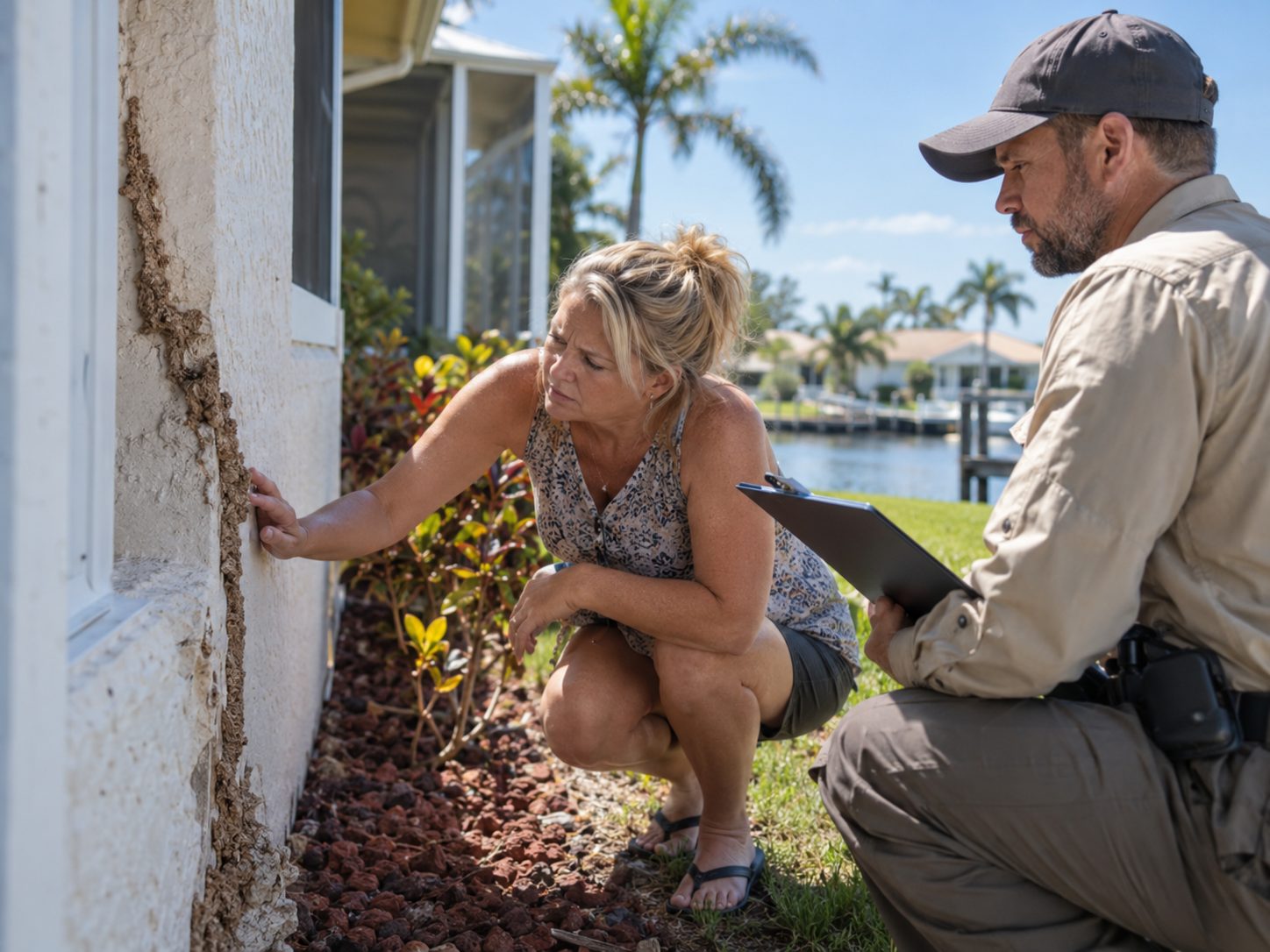
Termites rarely announce themselves in a dramatic way. Most infestations begin quietly, behind drywall, under flooring, or inside crawl spaces where nobody looks until damage has already spread. By the time a homeowner notices blistered paint, hollow-sounding trim, or a door frame that feels oddly soft, the colony may have been feeding for months or even years.
That quiet progression is exactly why choosing the right termite company matters so much. Termite treatment is not like hiring someone to mow the lawn or patch a fence. You are trusting a business to diagnose a hidden structural threat, recommend a treatment with real financial consequences, and stand behind the result over time. A poor choice can leave you with recurring infestations, an expensive repair bill, and the frustration of learning too late that a low price came with low standards.
Reliable Termite Control Services do more than spray a perimeter and hand over a receipt. They inspect methodically, explain what they find in plain language, tailor treatment to the construction of the building and the species involved, and set realistic expectations about monitoring, warranties, and retreatment. The companies worth hiring tend to be the ones that make the process less mysterious, not more.
What reliable service actually looks like
Homeowners often focus first on the treatment method. They ask whether bait stations are better than liquid barriers, whether foam is necessary, or whether one product lasts longer than another. Those are fair questions, but they come after a more basic one: is the provider competent and honest?
A dependable termite company usually shows its quality in small, practical ways. The inspector arrives on time and spends enough time on site to look carefully at vulnerable areas. They do not rush through a five-minute walkaround and declare a complete diagnosis. They ask about prior infestations, additions to the house, plumbing leaks, crawl space moisture, and any recent renovations that may have changed access points. They look for evidence, not just opportunities to sell.
Experience teaches you that termite work is rarely one-size-fits-all. A slab house with a history of subterranean termites presents a different challenge than an older home with a crawl space and heavy wood-to-soil contact. A townhome with limited exterior access may require a different strategy than a detached house with a large lot. A reliable company understands those differences and explains why its recommendation fits your property instead of reciting a canned pitch.
Another sign of professionalism is restraint. Good inspectors do not dramatize every mud tube as a structural emergency. They also do not minimize obvious risk just to appear agreeable. They tell you what is active, what is old damage, what needs immediate treatment, and what should simply be corrected as a preventive measure. That distinction matters because old termite damage is not the same thing as a current infestation, and the right company knows the difference.
The first inspection tells you almost everything
If you want to evaluate a termite company quickly, pay close attention to the inspection. This is usually where the strongest providers separate themselves from the weakest.
A proper termite inspection is part detective work, part building science. The technician should inspect baseboards, window trim, garage expansion joints, crawl spaces, foundation walls, utility penetrations, attic framing when relevant, and exterior grading conditions. In areas where subterranean termites are common, they should be alert to mud shelter tubes, excess moisture, cellulose debris, and direct wood contact with soil. In regions where drywood termites are a concern, they should know how to recognize pellets, kick-out holes, and localized wood infestations.
You should expect specifics. “You have termites” is not enough. A useful inspection report identifies where activity or damage was found, whether it appears active or inactive, which species is suspected if that can be reasonably determined, and what conditions are encouraging infestation. When the explanation is clear, the treatment plan tends to be better.
I have seen homeowners receive wildly different opinions from three termite companies on the same property. One says full treatment. Another says spot treatment. A third says there is no active infestation, only moisture damage and old galleries from years earlier. These situations are not always signs of dishonesty, but they do show why inspection quality matters. Termite evidence can be subtle. Judgment matters. A careful inspector will show you the actual evidence whenever possible instead of asking you to rely solely on authority.
Licensing, insurance, and credentials are not paperwork trivia
Plenty of people skip straight to price and never verify whether the company is properly licensed or insured. That is a mistake. Termite treatment involves pesticides, drilling, trenching, structural access, and written warranties. You want a company operating within the legal standards of your state and carrying appropriate coverage if something goes wrong.
Licensing requirements vary by state, so the exact terminology changes, but the company should be able to provide its license information without hesitation. If you ask and get vague answers, irritation, or a promise to “send it later,” that should put you on alert. The same goes for proof of insurance. Accidental damage does happen. A technician can crack tile while drilling, cut the wrong line, or damage landscaping during trenching. Responsible companies plan for that reality.
Credentials by themselves do not prove excellence, but they do tell you whether the business meets basic regulatory expectations. A seasoned, well-run termite firm usually treats these questions as normal, not adversarial.
Treatment methods should match the problem, not the sales script
The most common treatment approaches for subterranean termites are liquid termiticides and baiting systems. Both can work well when used correctly. Problems arise when a company insists that only one method is ever appropriate, regardless of the property.
Liquid treatments typically involve trenching and, in many homes, drilling through slabs, porches, or attached garages to create a treated zone around the structure. When done thoroughly, this can provide strong immediate protection. It is often a good fit when there is active infestation and the goal is to establish a continuous barrier as quickly as possible. The quality of the application matters enormously. Missed sections, shallow trenching, or incomplete drilling patterns can leave vulnerable gaps.
Bait systems work differently. Stations are placed around the structure and monitored for termite feeding. Once termites begin feeding, the bait affects the colony over time. Baits can be very effective and may be attractive where trenching or drilling is difficult, where pesticide volume is a concern, or where long-term monitoring is valued. They also require ongoing service discipline. A bait system is only as good as the follow-up. If inspections are skipped or stations are neglected, performance suffers.
Drywood termite situations can call for spot treatment, localized wood treatment, heat, or in some cases whole-structure fumigation. Here again, blanket statements are a red flag. A single isolated area may not justify tenting an entire home, but scattered activity in multiple inaccessible areas might. Reliable Termite Control Services explain the reasoning, the limitations, and the likelihood of recurrence with each option.
What you want to hear is not “this is the best treatment.” You want to hear “this is the best treatment for your house, your termite issue, and your risk tolerance.”
Low bids often hide expensive shortcuts
Every industry has its version of the suspiciously cheap estimate. In termite work, low prices often come from one of three places: an incomplete inspection, a watered-down scope of work, or a business model built around getting in the door and upcharging later.
A low bid might exclude key drilling areas, omit treatment of attached slabs, reduce the number of bait stations below what the site really needs, or provide a minimal warranty with heavy fine print. Some companies quote a treatment that sounds comprehensive until you read the service agreement and realize retreatment does not include repair coverage, annual renewal fees rise sharply after the first year, or follow-up inspections are extra.
This does not mean the highest estimate is automatically the best. Some firms charge premium prices for polished marketing and very little else. What matters is whether the proposal is specific and complete. A fair estimate should tell you what areas will be treated, what product or system will be used, whether drilling is included, what the warranty covers, how long it lasts, and what ongoing service is required.
A useful way to compare bids is to ask each company to explain what is not included. That question often reveals more than the sales pitch.
Read the warranty like a contract, because it is one
Homeowners tend to hear the word “warranty” and assume they are protected. Termite warranties vary widely, and the differences matter.
Some warranties cover retreatment only. If termites return, the company agrees to treat again, but any repairs to damaged wood are your problem. Other plans include damage repair coverage up to a specified amount, subject to conditions. Those conditions can be substantial. Miss an annual inspection, block access to a crawl space, or alter the foundation without notification, and coverage may be limited or void.
The strongest companies explain these terms before you sign. They do not bury them in dense paperwork and hope nobody asks. They also make clear whether the warranty is transferable if you sell the home, which can matter during a real estate transaction. Buyers like transferable termite coverage because it signals continuity and lowers uncertainty.
Pay attention to renewal costs as well. An initial treatment price can look reasonable until the annual service fee appears in year two or three. Long-term termite protection is not just a purchase. It is an ongoing relationship.
Warning signs that should make you pause
Most homeowners are not pest control specialists, so it helps to know the patterns that often point to trouble. If a company shows several of these signs at once, step back and keep shopping.
- The inspector recommends treatment before completing a thorough inspection or cannot show you any evidence.
- The written estimate is vague about treated areas, products, follow-up, or warranty terms.
- The salesperson uses pressure tactics such as “sign today” discounts or alarming language without specific support.
- The company avoids questions about license status, insurance, or whether subcontractors will perform the work.
- Online reviews show a pattern of missed appointments, unreturned calls, or warranty disputes rather than isolated complaints.
One bad review is not meaningful by itself. Every service business gets a few. Patterns matter. If customers repeatedly describe the same problem, believe the pattern.
Reviews are useful, but they need interpretation
Online reviews can help, but they are easy to misread. A company with hundreds of five-star ratings may still be weak on termite work specifically if most reviews are about routine insect spraying. You want comments that mention inspections, termite treatment, bait station monitoring, warranty service, and how the company handled follow-up concerns months later.
Read the negative reviews closely. The most revealing complaints are not usually “too expensive” or “I did not like the technician.” More serious concerns involve claims that termites returned and the company became hard to reach, refused to honor coverage, or argued about whether activity was “new.” Those disputes tell you a lot about how the business behaves after the sale.
Local reputation also matters in a way online ratings cannot fully capture. Real estate agents, home inspectors, and contractors often know which termite companies are dependable and which ones generate callbacks. If you have access to trusted local professionals, ask who they have seen perform reliably over time.
Questions worth asking before you hire
A short conversation can save you from a bad contract. You do not need to interrogate the company, but you do want enough detail to judge whether they know their work and stand behind it.
- What evidence did you find, and can you show me exactly where?
- Why are you recommending this treatment for my house instead of the alternatives?
- Who will perform the work, and how much termite experience do they have?
- What does the warranty cover, what voids it, and what will renewal cost?
- What follow-up inspections or monitoring are required after treatment?
Competent providers rarely mind these questions. In fact, the better ones often answer them before you think to ask.
Local conditions shape the right choice
Termite pressure is not uniform. Soil type, moisture levels, climate, and construction style all influence both risk and treatment strategy. A company that understands your local conditions has an advantage over one that relies on generic national scripts.
In humid regions with heavy subterranean termite activity, moisture management is often inseparable from treatment success. A company that ignores chronic crawl space dampness, poor drainage, or leaking hose bibs is only solving part of the problem. Termites thrive where wood and moisture meet. Correcting the conditions that attract them is not optional if you want durable results.
Older homes bring their own complications. Additions may have interrupted previous treatment zones. Remodeling may have covered drill points or changed access routes. Foundation cracks, settling, or multiple slab pours can create treatment challenges that require more thought than a standard perimeter application. Experienced termite specialists tend to ask more questions about the building itself, because they know hidden construction details often determine whether a treatment works as intended.
Real estate transactions demand extra care
Termite decisions made during a home sale are often rushed, and rushed decisions are where mistakes multiply. Buyers are nervous, sellers want the deal to stay alive, and everyone is working under deadlines set by financing, inspections, and closing.
When Termite Control Services are hired in this context, clarity matters even more. It should be clear whether the service is addressing active infestation, documenting old damage, satisfying a lender or inspection report, or establishing a new warranty for the buyer. Those are different goals. Confusing them leads to frustration later.
I have seen transactions where a low-cost treatment was chosen simply to produce paperwork before closing, only for the buyer to discover after moving in that the warranty was weak and the treatment scope was minimal. A slightly more expensive but properly documented treatment would have been the better value. During a sale, it is worth slowing down long enough to understand exactly what protection is transferring with the property.
Good companies talk about prevention, not just chemicals
Any company can sell a treatment. Better companies also teach homeowners how to make the structure less attractive to termites. That practical guidance is often a sign that the provider cares about outcomes rather than just invoices.
Simple preventive corrections can meaningfully reduce risk. Firewood stacked against the house, mulch piled too high over foundation lines, leaking gutters, buried wood scraps after construction, Termite Control Services Maximum Pest Control and soil or siding contact at grade all create favorable conditions. None of those issues alone guarantees infestation, but together they can tip the odds in the termites’ favor.
A reliable termite professional will often walk the property and point out these conditions even when fixing them does not increase the service invoice. That kind of advice is easy to overlook, but it is one of the clearest signs you are dealing with someone who understands the whole problem.
Communication after treatment matters as much as the treatment itself
The day of service is not the end of the relationship. You should know what to expect afterward. If a liquid treatment was performed, ask whether you will see drill marks, how they will be patched, and when you can resume watering or landscaping activities near treated zones. If bait stations were installed, ask how often they will be checked and what kind of reporting you will receive.
Good documentation matters here. The company should provide a diagram or clear service record showing where work was performed. Months or years later, that record can be valuable when you are planning renovations, dealing with a warranty claim, or selling the home.
Responsiveness is another mark of reliability. If you call with a concern after treatment, do they answer, schedule follow-up promptly, and explain what they are seeing? Or do they become difficult to reach once payment has cleared? Termite protection is built on trust, and trust is measured over time.
The best choice is rarely the fastest or the flashiest
There is a reason the most dependable termite companies are often not the ones using the loudest advertising. Strong operators tend to build their reputation through consistency. They inspect carefully, explain well, document thoroughly, and return when they say they will. That may not sound exciting, but in termite work it is exactly what you want.
Choosing among Termite Control Services comes down to judgment more than branding. Look for evidence of care in the inspection, precision in the proposal, honesty in the explanation, and transparency in the warranty. Compare scope, not just price. Pay attention to whether the company treats your house like a unique structure or just another stop on the route.
A termite problem can be stressful, especially when the damage is hidden and the stakes are high. The right service provider lowers that stress by replacing guesswork with method, evidence, and accountability. When that happens, you are not just buying treatment. You are buying confidence that the problem has been understood correctly and addressed with the seriousness it deserves.
Maximum Pest Control
836 NE 7th Terrace Suite #5
Cape Coral, FL 33909
+1 239-772-7363
FAQ About Termite Control Services
What are two signs of a termite infestation?
Mud tubes along a foundation and piles of shed wings near doors or windows are two signs to investigate. Mud tubes are associated with subterranean termites. A licensed inspector can identify the insect and assess whether there is active infestation.
How many years does a termite treatment last?
There is no single timeline for all treatments. The method, site conditions, and maintenance affect how long protection lasts. Bait systems rely on monitoring and service. Ask the provider for the recommended inspection schedule and the terms of any coverage.
Is Termite Treatment Expensive in Cape Coral?
Cost depends on the termite species, the size and construction of the property, the extent of activity, and the treatment method. Request a written estimate after inspection and ask whether monitoring, follow-up visits, and renewals are included.