Lawn Pest Control Services for Stronger More Resilient Grass
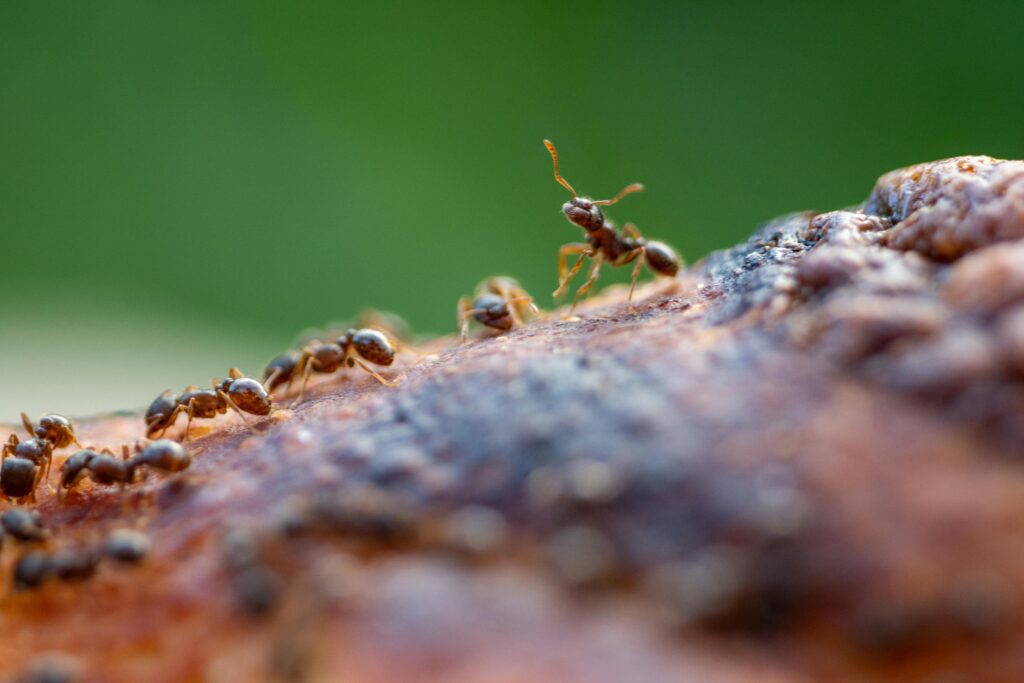
A lawn rarely declines all at once. More often, it slips little by little. One corner starts to thin. Footprints linger longer than they should. A patch that looked stressed last month turns brown this month, and by the time a homeowner reacts, the damage has spread wider than expected. In many of those cases, the real culprit is not irrigation, not mowing, and not fertilizer. It is insect pressure that went unnoticed until the turf had already lost its ability to recover.
That is where professional Lawn Pest Control Services earn their value. Healthy grass can tolerate a fair amount of stress, but pests change the equation. They feed on roots, stems, blades, and crowns. They invite disease, weaken turf density, and create openings for weeds. Once a lawn is thinned out, every other problem becomes harder to manage. A strong lawn is not just green. It is resilient. It bounces back after heat, heavy rain, play, pet traffic, and seasonal stress. Pest control is one of the least glamorous parts of lawn care, but in practice, it often decides whether a lawn merely survives or actually performs well over time.
In a place like southwest Florida, this matters even more. Warm temperatures, long growing seasons, humidity, and frequent irrigation create ideal conditions for both turf growth and insect activity. Homeowners searching for Lawn Pest Control Services Cape Coral FL are usually dealing with a lawn that looks off but does not yet have an obvious explanation. The challenge is that many turf pests cause symptoms that mimic drought, disease, nutrient deficiency, or even mower injury. Good service is not just about applying product. It is about reading the signs correctly before the wrong fix wastes time and money.
Why pests do so much damage to otherwise healthy lawns
Turfgrass is tougher than most people think. St. Augustine, zoysia, bahia, and bermuda can all handle stress when they have decent roots, adequate nutrition, and proper mowing. The problem begins when insects attack the part of the plant that keeps recovery possible.
Some pests chew the leaf tissue and reduce photosynthesis. Others attack the crown, which is the growth center where new blades emerge. The most destructive varieties feed below the surface on roots, cutting off the plant’s ability to take up water and nutrients. When that happens, even a lawn that is watered correctly can look drought-stricken.
I have seen homeowners increase irrigation because the turf appears dry, only to create a second problem. More moisture can intensify fungal pressure, soften weak turf, and do nothing to stop the insects already feeding in the soil. In other cases, fertilizer is added to “green up” the lawn, but nutrients cannot compensate for root loss. The grass may briefly flush with color, then collapse further. Misdiagnosis is common, which is one reason professional inspection matters.
Pest pressure also compounds over time. A lawn that has suffered repeated feeding becomes thinner. Thinner turf means more sunlight reaches the soil surface. More sunlight on bare soil means more weed germination. Once weeds fill gaps, they compete for water and nutrients, and some require separate treatment that can stress already weakened grass. What started as a modest insect issue becomes a broader lawn health problem.
The pests that tend to cause the most trouble
Not every insect in the yard is harmful. Plenty are neutral, and some are beneficial predators. Effective Lawn Pest Control Services separate nuisance insects from true turf pests and focus treatment where it is justified.
In Florida lawns, chinch bugs are among the most familiar troublemakers, especially in St. Augustinegrass. They feed by piercing the grass and extracting fluids, while also injecting toxins that disrupt the plant’s ability to move water. Damage often starts in hot, sunny areas near pavement, driveways, or reflective surfaces. It can resemble drought stress at first, but watering does not correct it.
Sod webworms and armyworms can strip blades quickly when populations surge. Their feeding is sometimes noticed only after the turf begins to look scalped or ragged. Mole crickets are a different kind of problem. They tunnel through the soil and feed on roots and shoots, leaving the turf spongy underfoot. Grubs, while more variable depending on region and species, can also weaken root systems enough that sections of lawn pull up easily.
The exact pest mix in Cape Coral can vary by season, lawn type, weather pattern, and surrounding landscape. A property near unmanaged groundcover, ornamental beds, or water features may experience different pressure than a tightly maintained urban lot. That is why a one size fits all treatment schedule rarely works as well as a service built around monitoring.
What professional lawn pest control actually involves
Many homeowners picture pest control as a simple spray visit. Sometimes it is that straightforward, but effective turf protection is usually more layered than that. The best programs combine inspection, diagnosis, timing, treatment selection, and follow-up.
An experienced technician starts by looking at the pattern of damage. Is it isolated or spreading? Does it follow irrigation zones? Is the injury concentrated in full sun? Are there signs of chewing, tunneling, frass, blade notching, or crown damage? The lawn itself provides a surprising amount of information when someone knows how to read it.
From there, treatment depends on the target pest and the severity of infestation. Some problems call for a contact treatment to knock down active populations quickly. Others are better addressed with systemic or residual products that stay active longer. In some cases, cultural corrections are just as important as the application. Grass that is cut too short, overwatered, or overfertilized can become more vulnerable to repeat issues.
A good provider does not promise a magic product that solves every problem in one visit. They explain what they found, what they are treating, how quickly results should show, and what signs to watch for afterward. That level of transparency is one of the clearest differences between professional care and guesswork.
The role of timing in stronger, more resilient grass
Timing matters because pests are not equally vulnerable at every life stage. Larvae, nymphs, and adults may live in different parts of the lawn and respond differently to treatment. Miss that window, and the same product may perform poorly even if it is technically labeled for the pest.
This is especially important in warm climates where insect development can move quickly. After a heavy rain cycle followed by heat, populations can rise fast. If a technician catches activity early, treatment may be limited and recovery relatively quick. If the lawn is already thinned, stressed, and under active feeding, the path back is slower and usually more expensive.
There is also a practical recovery timeline that homeowners often underestimate. Killing the pest is only the first step. The grass still needs to regrow. Minor damage may fill in within a few weeks during active growth. More severe injury can take a full season, sometimes longer if roots were badly compromised. A well run service sets those expectations honestly.
Why Cape Coral lawns need local judgment
Florida lawn care is full of advice that technically sounds right but falls apart in local conditions. A recommendation that works in a cooler climate with shorter growing seasons may be useless in Cape Coral. Turf species, irrigation habits, summer rainfall, salt exposure, sandy soils, and year-round insect activity all change how pest management should be approached.
Sandy soils, common in many Florida landscapes, drain quickly but also create specific stress patterns. Grass can dry down fast, yet homeowners may overcorrect with irrigation. That combination, intermittent drought stress followed by excess moisture, can leave lawns more susceptible to pest damage and less able to recover. Add high temperatures and reflective heat from hardscape, and some sections become recurring hotspots.
This is why homeowners often seek out Lawn Pest Control Services Cape Coral FL rather than relying on generic lawn packages. Local technicians know what tends to show up after certain weather shifts. They know where chinch bug damage often starts, which turf types are most vulnerable, and how to distinguish insect activity from fungal flare-ups that are common in humid stretches. That local pattern recognition is difficult to replace.
Signs a lawn may need pest control sooner rather than later
Many lawn pests work quietly at first. By the time visible discoloration appears, feeding has often been underway for a while. Paying attention to subtle changes can prevent larger renovation work later.
Here are five warning signs worth taking seriously:
- Patches of grass turn yellow or brown even though irrigation appears adequate.
- The lawn feels loose, spongy, or easy to pull up in damaged areas.
- Birds, raccoons, or other animals begin digging for food in the turf.
- Blade tips look chewed, ragged, or uneven beyond normal mower wear.
- Damage spreads outward in a pattern rather than staying static.
None of these signs confirms a single pest by itself, but together they justify a closer look. Quick inspection often saves pest control Cape Coral FL a homeowner from treating the wrong issue for several weeks.
Treatment is only part of the job
Even the best pest treatment cannot fully compensate for poor lawn practices. Resilient grass comes from layered management. Pest control protects turf from a major source of injury, but the grass still needs the conditions to recover and thicken.
Mowing height is one of the biggest factors. Turf that is kept too short loses leaf area and stores less energy. Short mowing also exposes the soil, heats the crown, and leaves the grass less able to outgrow minor feeding. St. Augustine in particular suffers when scalped repeatedly. I have seen lawns improve simply by correcting mowing height and reducing stress while the pest issue was brought under control.
Watering habits matter just as much. Deep, sensible irrigation encourages stronger rooting than frequent shallow watering. Chronic overwatering can create its own set of problems, including disease and weak root systems. Fertility should be balanced, not excessive. Too much nitrogen can produce lush top growth that looks impressive for a week or two but may leave the plant softer and more attractive to certain pests.
That is why the best Lawn Pest Control Services are usually tied to broader lawn health management. The technician is not just treating insects. They are helping preserve the density and root strength that let turf defend itself.
What homeowners should expect from a quality service provider
There is a noticeable difference between a company that applies products and a company that manages turf health. The first might solve a short-term outbreak. The second helps prevent repeat cycles.
A quality provider usually does a few things consistently. They inspect before treating instead of automatically applying the same mix on every property. They explain what pest they suspect and why. They discuss timing, expected results, and any lawn care adjustments that support recovery. They also return attention to problem zones rather than pretending all areas of the property behave the same way.
Cost should be viewed in that context. A cheaper service that misses the diagnosis can become expensive when the lawn later needs sod replacement, weed control, disease treatment, and extra irrigation. On the other hand, not every lawn needs the most intensive recurring program. Some properties benefit from seasonal monitoring and targeted intervention rather than blanket treatment. The right fit depends on turf type, history, site conditions, and how closely the homeowner wants the lawn maintained.
The balance between prevention and reaction
Reactive treatment has its place. If active pests are causing visible injury, stopping them quickly is the priority. But resilience is built more effectively through prevention, especially in lawns with a history of repeat infestations.
Prevention does not always mean constant chemical use. In practice, it often means scheduled inspections, attention to known hot spots, and early intervention before the turf loses density. For some pests, preventive timing is genuinely more effective than waiting for obvious damage. For others, monitoring first is the better choice. That is where judgment matters.
A sensible strategy usually includes these points:
- Monitor susceptible turf regularly during high pressure months.
- Address active infestations early, before thinning becomes severe.
- Pair treatment with proper mowing, irrigation, and fertilization.
- Recheck damaged areas to confirm recovery, not just pest reduction.
- Adjust the program when seasonal conditions change.
This balanced approach keeps the lawn stronger over time without treating blindly.
Recovery is visible, but it is not always immediate
Homeowners often want to know how quickly a lawn will “look normal” again. The answer depends on what part of the plant was attacked and how long the damage had been progressing before treatment. Blade feeding may show cosmetic improvement fairly quickly once the pest is controlled and new growth begins. Root and crown injury usually takes longer.
Weather also affects the pace of recovery. Warm growing conditions help turf fill in, provided the lawn is not under heat stress or water imbalance. During periods of heavy rain, recovery may slow if the root zone stays too wet. During severe heat, even treated turf may need time before it pushes meaningful regrowth.
There is also a point where treatment can stop further decline but not restore dead grass. If an area is too far gone, plugging, patching, or resodding may be necessary after the pest issue is resolved. Honest providers say that clearly. They do not confuse pest control with turf replacement.
Stronger grass starts with fewer interruptions
Resilient lawns are not perfect every day of the year. They go through stress, recover, and continue growing. What separates a durable lawn from a fragile one is how often that recovery gets interrupted. Insect pressure is one of the most disruptive interruptions a lawn can face, especially when the signs are missed or mistaken for something else.
Professional Lawn Pest Control Services help restore that recovery cycle. They protect roots, preserve density, reduce avoidable thinning, and keep small outbreaks from turning into larger renovation projects. In Cape Coral, where warm weather stretches the season for both grass and pests, local experience matters. Homeowners looking for Lawn Pest Control Services Cape Coral FL are usually not just chasing greener color. They want a lawn that can withstand heat, traffic, and the ordinary wear of daily life without constantly falling apart.
That is the real value of proper pest management. It gives grass a better chance to stay rooted, active, and capable of bouncing back. When the lawn holds its density and vigor through stress, everything else in the care program works better. Fertilizer is used more efficiently. Irrigation supports growth instead of compensating for hidden root loss. Weed pressure stays lower because the turf is not opening up. The lawn becomes less reactive and more stable.
And stability is what most property owners are after, whether they say it that way or not. They want a yard that looks good, handles weather swings, and does not require constant rescue. Pest control, done well, is one of the quiet foundations that makes that possible.
Maximum Pest Control
Address: 836 NE 7th Terrace Ste 5, Cape Coral, FL 33909
Phone number: +12392373835
FAQ About Lawn Pest Control Services Cape Coral FL
How much is yard pest control?
Professional yard pest control generally costs $50 to $200 per individual treatment, while a full-season package or annual contract ranges from $200 to $1,000 depending on the specific pests and your lawn size. If you are looking for simple outdoor perimeter treatments to keep bugs from crossing into your house, expect to pay around $85 to $200 per visit.
How to get rid of pests in your lawn?
To get rid of pests in your lawn, first identify the specific bug or damage. Clear away tall grass, weeds, and standing water. Treat surface or subsurface pests like grubs and ants using a broadcast spreader with granular insecticides like Spectracide Triazicide Granules or Sevin Lawn Granules, then water the lawn lightly.
What does pest control do for your lawn?
Lawn pest control targets destructive insects and biters like grubs, chinch bugs, fleas, and ticks using specialized liquid or granular treatments. These services protect grass roots from dying, prevent brown or yellow dead patches, and lower health risks for your family and pets.